
Edible Insects Sustainable Protein: Can Eating Insects Help Save the Earth?
Updated 2026
Edible insects sustainable protein is gaining global attention as a practical solution to future food challenges. As the world population approaches 10 billion people, traditional livestock systems may struggle to meet protein demand. In contrast, insect-based protein provides a more resource-efficient and environmentally responsible alternative.
Why Insects Are Being Reconsidered as Food
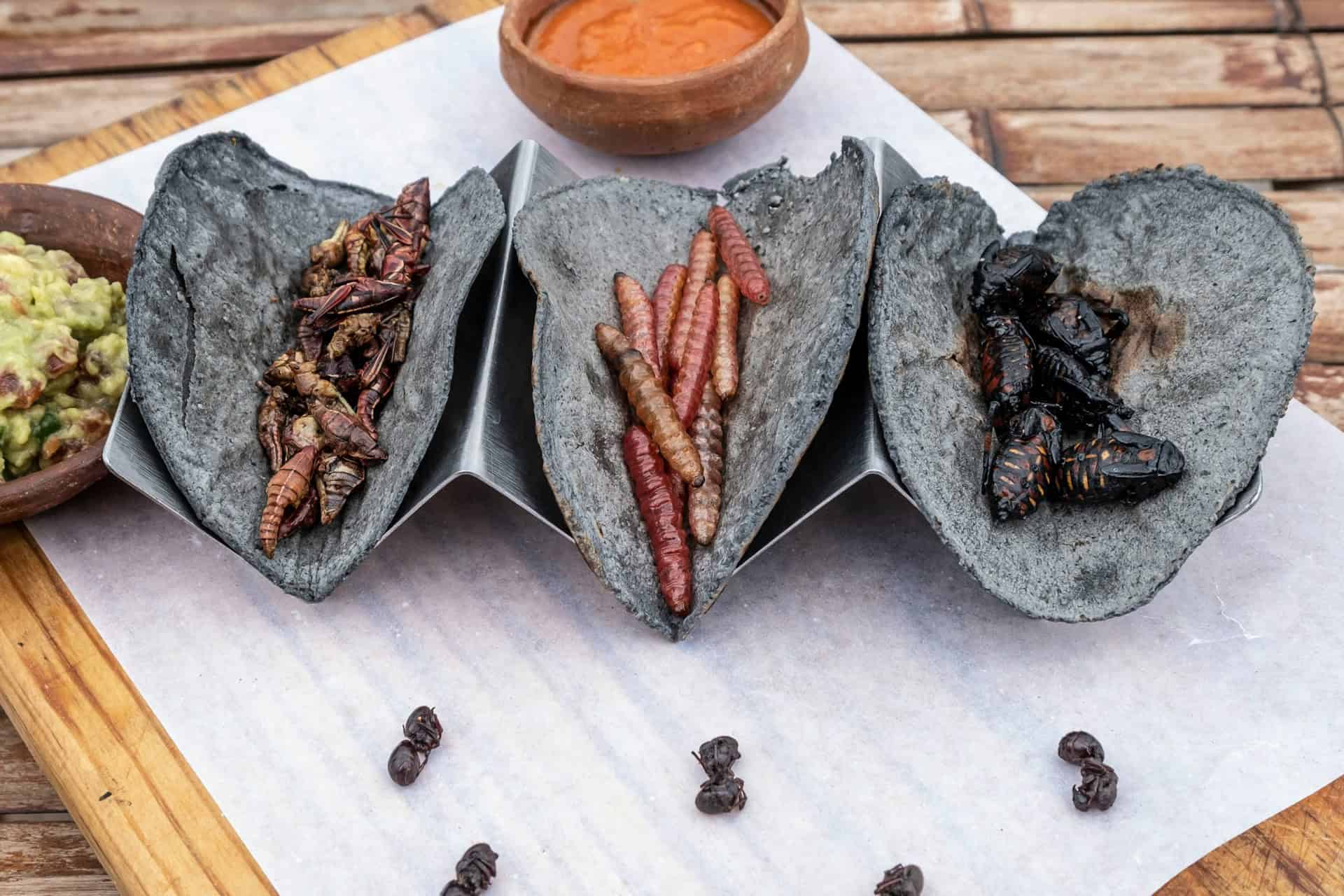
Although unfamiliar to many Western consumers, insects have been part of human diets for thousands of years. Today, more than two billion people worldwide consume insects regularly as part of traditional cuisine.
Compared to conventional livestock, insect farming offers clear advantages:
- Requires significantly less land and water
- Produces fewer greenhouse gas emissions
- Converts feed into protein more efficiently
- Needs fewer agricultural inputs overall
Species such as crickets, mealworms, and grasshoppers can deliver high-quality protein with a fraction of the environmental impact of beef or pork production.
Environmental Impact Compared to Traditional Meat
One of the most compelling benefits of insect farming is its low environmental footprint. Insects produce significantly less methane and nitrous oxide than cattle and other livestock.
Water usage is also dramatically lower. Some estimates suggest insect farming can use up to 100 times less water than conventional meat production. Combined with rapid growth cycles and efficient reproduction, this makes insects a highly scalable protein source.
Where Insects Are Already Part of the Diet
In many regions across Asia, Africa, and Latin America, insect consumption is common. It is estimated that around 80 percent of cultures worldwide include insects in their diets.
Examples include:
- Toasted grasshoppers in Mexico
- Fried crickets in Thailand
- Candied grasshoppers in Japan
- Spicy fried worms sold by street vendors in Vietnam
These examples demonstrate that insect consumption is not a new concept, but rather a long-established food practice.
The Rise of Insect-Based Food Products
The industry is evolving rapidly as demand for alternative proteins increases. Companies are developing products such as cricket flour, protein bars, and mealworm snacks that make insect protein more accessible to modern consumers.
Regulatory approvals are also expanding. Authorities in Europe have approved several insect species for human consumption, helping support wider adoption in Western markets.
The Role of Alternative Proteins in the Future
Insects are part of a broader shift toward sustainable protein sources. Other innovations include plant-based meat, algae protein, and cultivated meat grown in controlled environments.
Each solution contributes to reducing pressure on global food systems, but insects stand out for their efficiency and scalability.
A Culinary Perspective
From a professional kitchen standpoint, understanding emerging ingredients is essential. While insect-based foods are still developing in Western markets, global trends suggest they will become increasingly relevant.
Chefs and operators who stay informed can better adapt menus, respond to sustainability concerns, and meet evolving consumer expectations.
For more insights on food systems and culinary innovation, visit Online Culinary School.
Get Restaurant Industry Insights
Stay informed on restaurant trends, industry challenges, and operational strategies affecting hospitality businesses.
Or schedule a direct meeting with Chef Eric.
Book a Free Restaurant Consultation