
Effective Leadership in the Food Industry: A Key Ingredient for Restaurant Success
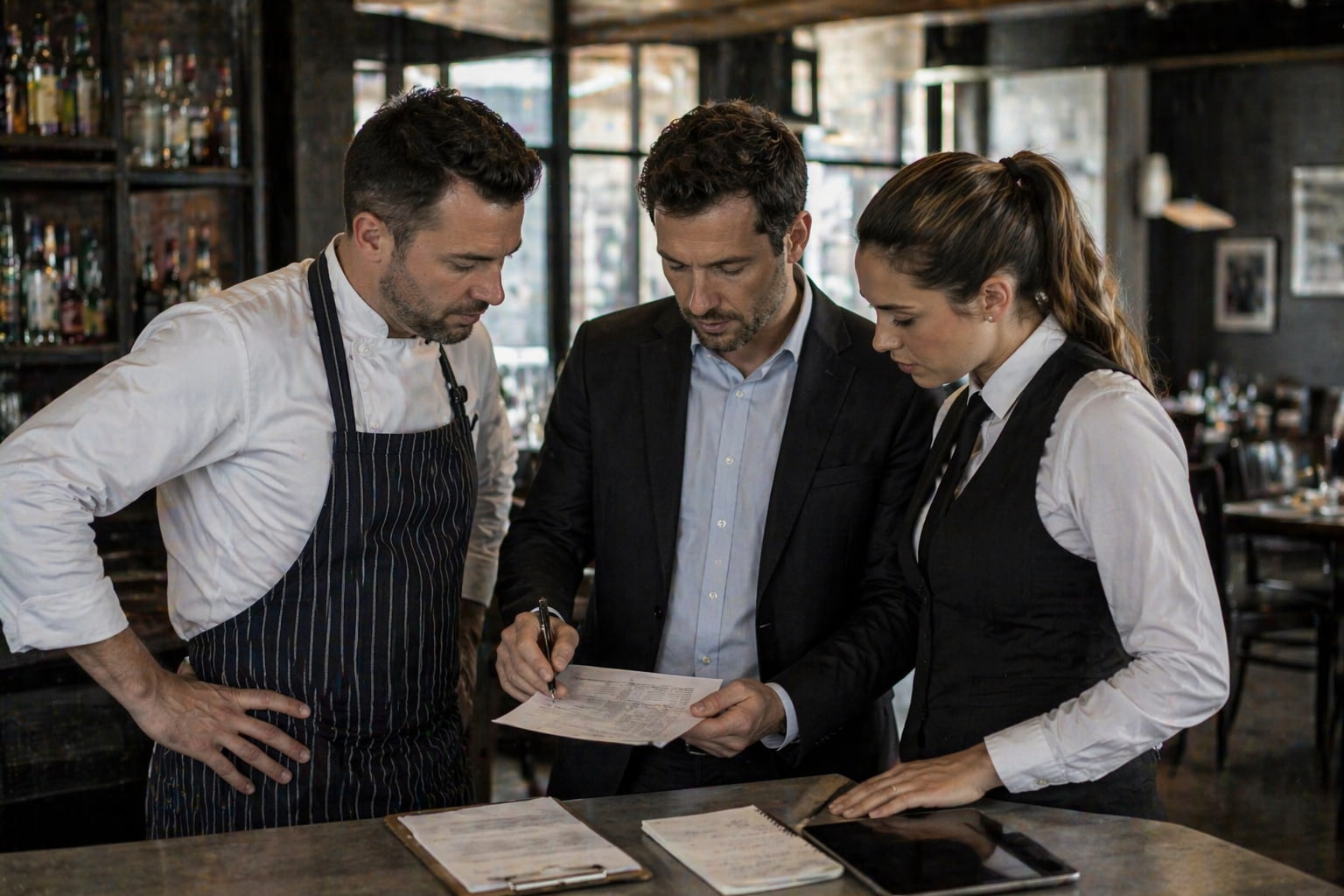
Many restaurant operators struggle with staff turnover, communication breakdowns, and inconsistent service. In many cases, the root cause is not the recipes, the systems, or the menu—it is leadership. Strong leadership in the kitchen and management team is one of the most important factors determining whether a restaurant thrives or struggles.
In the hospitality industry leadership goes far beyond supervising staff or writing schedules. Effective leaders inspire teams, maintain operational discipline, and create an environment where employees perform at their best even during the pressure of busy service hours.
With nearly 10,000 baby boomers retiring every day, the food industry is experiencing a major leadership transition. Restaurants that invest in leadership development today will be better prepared to train the next generation of chefs, supervisors, and hospitality managers.
Quick Leadership Insights for Restaurants
- Strong restaurant leadership improves staff retention, operational efficiency, and service consistency.
- Leadership coaching helps chefs, managers, and restaurant owners strengthen communication and team management skills.
- Restaurants with effective leadership systems often experience lower staff turnover and stronger team performance.
- Leadership development helps restaurant teams maintain standards during busy service periods.
- Many restaurants benefit from combining leadership coaching with operational consulting to strengthen both management and systems.
The Power of Leadership Coaching
Leadership coaching has become one of the most effective tools for improving business performance. In restaurant operations, coaching helps chefs, supervisors, and managers strengthen decision-making skills, improve communication, and develop stronger teams.
Restaurants with strong leadership systems often see measurable improvements including lower employee turnover, stronger customer satisfaction, and more consistent operational performance.
Common Leadership Challenges in Restaurants
Restaurant environments are fast-paced and demanding. Without strong leadership systems many hospitality businesses experience recurring operational challenges such as:
- High employee turnover and constant staff replacement
- Communication breakdowns between front-of-house and back-of-house teams
- Inconsistent kitchen standards across different shifts
- Young supervisors promoted without leadership training
- Managers overwhelmed by daily operational pressures
These problems rarely come from a lack of effort. Instead they often result from a lack of structured leadership systems, communication frameworks, and management development.
Real Restaurant Leadership Situations
Leadership in restaurants becomes most visible during high-pressure service periods. For example:
- A dinner rush where the kitchen must coordinate dozens of orders while maintaining food quality.
- A conflict between front-of-house staff and kitchen staff about ticket times or special requests.
- A newly promoted sous chef who is technically skilled but unsure how to manage a team.
- A restaurant owner struggling to delegate responsibilities and constantly solving problems personally.
Strong leadership helps teams remain calm, organized, and focused during these situations. When leaders communicate clearly and maintain structure, teams perform better and service runs smoothly.
Improving Restaurant Efficiency Through Leadership
Effective leadership directly impacts restaurant efficiency. Leaders must coordinate kitchen teams, maintain quality standards, and ensure smooth communication between departments.
Leadership development often complements operational improvements such as restaurant consulting services, restaurant cost control systems, and menu engineering strategies.
Leadership That Encourages Creativity in the Kitchen
Great leadership does more than maintain order—it encourages creativity and innovation. In professional kitchens innovation often emerges when leaders create environments where staff feel comfortable sharing ideas and improving processes.
Encouraging curiosity, open communication, and constructive feedback allows teams to develop creative solutions that improve efficiency, food quality, and guest experience.
Leadership Coaching vs Hybrid Coaching and Consulting
Different restaurant operators need different types of support. Some leaders simply need coaching to strengthen leadership skills, while others benefit from a combination of coaching and operational consulting.
Leadership Coaching
Traditional leadership coaching focuses on improving management skills, communication, and leadership confidence. It is ideal for restaurant owners, chefs, or managers who already have operational systems in place but want to strengthen their leadership approach.
Learn more about restaurant leadership coaching.
Typical situations where leadership coaching works well include:
- A chef who has strong technical skills but wants to improve team leadership.
- A restaurant manager learning how to motivate staff and improve communication.
- An owner who wants to become a stronger leader while maintaining existing systems.
Hybrid Coaching and Consulting
Some restaurants require deeper support that combines leadership coaching with operational consulting. Hybrid coaching and consulting provides both guidance and hands-on strategy development.
Learn more about hybrid leadership coaching and consulting.
Hybrid coaching can be especially useful when:
- A restaurant owner is unsure how to improve operational systems.
- A new restaurant needs both leadership guidance and operational structure.
- A management team wants coaching while implementing new systems.
This approach combines leadership development with practical business improvement strategies.
Empowering Staff for Better Results
Empowering employees is one of the most effective ways to build strong hospitality teams. When staff members understand expectations and receive opportunities to grow, they take greater ownership of their responsibilities.
Empowered teams maintain higher service standards, support one another during busy shifts, and deliver better experiences to guests.
FAQ — Restaurant Leadership Coaching
Below are common questions about leadership development in restaurants.
Get Practical Restaurant Leadership Insights
Learn how strong leadership, team accountability, and management systems improve restaurant performance.
Or schedule a direct meeting with Chef Eric.
Book a Free Restaurant Leadership Consultation