
Restaurant Menu Trends Shaping Modern Kitchens
Updated 2026
As each new year begins, restaurants and chefs look for ways to evolve their menus, attract new diners, and stay ahead of changing food trends. Today’s restaurant guests expect more than just good food. Instead, they increasingly look for sustainability, memorable experiences, global flavors, operational transparency, and menus that reflect modern lifestyles.
Consequently, modern restaurant menu trends continue evolving rapidly as operators balance creativity, profitability, guest expectations, sustainability, and operational efficiency. Furthermore, restaurants that adapt successfully often gain stronger customer loyalty and long-term competitive advantages. Because of these shifts, staying static is no longer an option for profitable operations.
1. Hyper-Local Sourcing and Authenticity
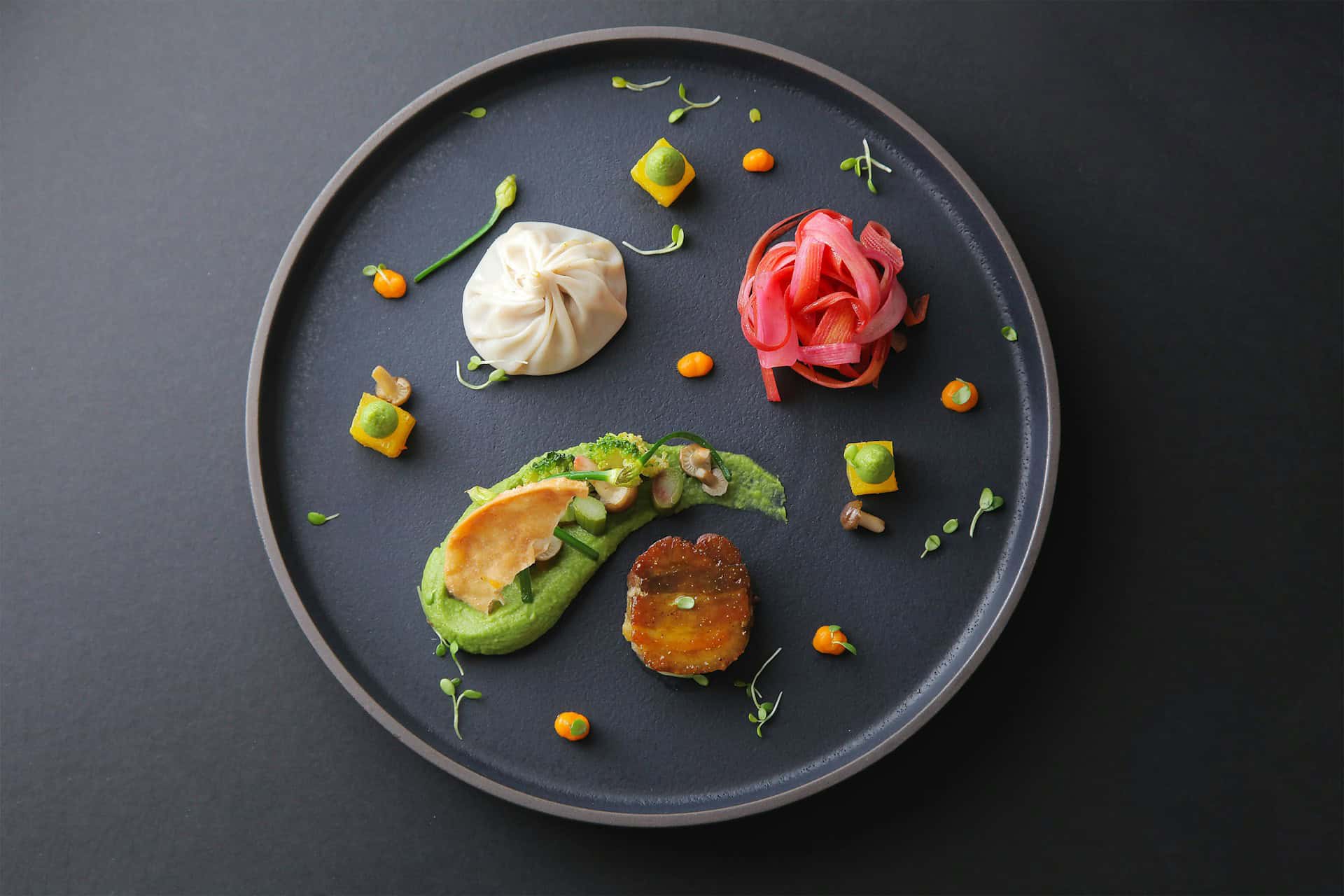
Local sourcing has long been important in modern restaurants. However, today’s trend pushes the concept even further into the realm of “hyper-local” production. This involves growing ingredients directly on-site or sourcing products from extremely nearby urban farms and boutique producers.
As a result, restaurants increasingly invest in rooftop gardens, hydroponic systems, indoor herb production, and direct partnerships with small local farms. Furthermore, guests often perceive hyper-local sourcing as both environmentally responsible and operationally authentic. Additionally, this approach helps stabilize supply chains against global market volatility.
Menu idea: Create a “Garden to Plate” section featuring dishes built around ingredients grown within a few miles of the restaurant.
2. Technology-Enhanced Dining and Operations
Digital Restaurant Experiences
Technology continues reshaping the restaurant industry at an unprecedented pace. Consequently, digital menus, QR ordering systems, AI-driven recommendations, and data-driven menu engineering tools now play major roles in modern hospitality operations.
Additionally, some restaurants experiment with augmented reality menus, automated kitchen systems, and AI-supported customer personalization systems to improve efficiency and guest engagement. Moreover, these tools allow for real-time price adjustments and inventory management, which significantly protects margins.
Menu idea: Offer smart pairing suggestions for wine, cocktails, or desserts through QR-based menu technology.
3. Plant-Based Dining Evolution
Vegetables Becoming the Centerpiece
Plant-based cuisine continues growing rapidly across all service models. However, the focus has shifted away from imitation meats toward creative vegetable-driven cuisine emphasizing flavor, texture, fermentation, and seasonal ingredients.
Therefore, chefs increasingly explore mushrooms, legumes, seaweed, grains, and fermented vegetables to create satisfying plant-forward dishes that appeal to broader audiences. Similarly, these ingredients often offer a lower food cost percentage while maintaining a high perceived value.
Menu idea: Highlight a “Vegetable Forward” section where vegetables receive the same culinary attention as premium proteins.
4. Global Comfort Food and Nostalgia
Comfort food remains highly popular regardless of the dining segment. Nevertheless, chefs increasingly combine nostalgic dishes with bold global flavors and international culinary influences to create a sense of “adventure in the familiar.”
For example, restaurants now feature kimchi mac and cheese, miso-butter mashed potatoes, harissa fried chicken, and globally inspired braised dishes designed to feel both familiar and innovative. Consequently, this allows the kitchen to utilize standard pantry staples in highly creative ways.
Menu idea: Introduce a “World Comforts” category combining traditional comfort foods with global culinary inspiration.
5. Zero-Waste Cooking Systems
Sustainability and Operational Profitability
Sustainability increasingly influences restaurant menu development and daily kitchen operations. Therefore, many chefs now embrace nose-to-tail cooking, vegetable scrap utilization, fermentation, and ingredient repurposing systems designed to reduce waste while maximizing flavor.
Importantly, food waste reduction benefits both environmental sustainability and restaurant profitability. Consequently, operational waste tracking and menu optimization now play larger roles inside professional kitchens. Furthermore, highlighting these efforts on the menu builds trust with socially conscious diners.
Menu idea: Highlight dishes created from repurposed ingredients such as carrot-top pesto, citrus peel syrups, or vegetable trim broths.
6. Functional Foods and Wellness Integration
Health-conscious diners increasingly seek foods offering benefits beyond basic nutrition. As a result, adaptogens, probiotics, fermented foods, medicinal mushrooms, and nutrient-dense ingredients continue appearing throughout modern restaurant menus.
Additionally, wellness-focused dining now influences beverage programs, desserts, breakfast menus, and specialty drinks. Furthermore, clear labeling regarding nutritional benefits helps guests make informed choices quickly, improving table turns.
Menu idea: Create a “Wellness Inspired” menu section featuring nutrient-dense dishes and beverages.
7. Interactive Dining and Experiential Hospitality
Designing Memorable Guest Moments
Modern diners increasingly value experiences as much as the meal itself. Consequently, interactive dining encourages guests to engage directly with food presentation, customization, chefs, or culinary storytelling.
Chef’s tables, customizable dishes, experiential tasting menus, and immersive presentations create memorable dining experiences frequently shared across social media platforms. Moreover, these “Instagrammable” moments act as free organic marketing for the operation.
Menu idea: Offer customizable dishes where guests choose ingredients or flavor combinations.
8. Bold Flavor Pairings and Innovation
Creative flavor combinations continue exciting adventurous diners who are tired of traditional offerings. Therefore, chefs increasingly experiment with fermented flavors, sweet-savory combinations, smoke, spice layering, and unexpected ingredient pairings.
Examples include miso caramel desserts, chili-infused cocktails, smoked fruit reductions, and black garlic sauces. Additionally, these bold profiles help a restaurant stand out in a crowded marketplace where flavor is the primary differentiator.
Menu idea: Introduce a rotating “Flavor Lab” feature showcasing experimental flavor combinations.
9. Data-Driven Design and Menu Engineering
Strategic Menu Layouts
Restaurants increasingly use sales data, guest feedback, menu psychology, and menu engineering systems to design menus balancing creativity with profitability. Furthermore, understanding which dishes drive revenue allows operators to build stronger, more operationally efficient menus while reducing unnecessary complexity.
Learn more about restaurant menu engineering and how strategic menu design can improve restaurant profitability.
10. Limited-Time Seasonal Concepts
Limited-time menus create excitement while allowing chefs to test new concepts and ingredients without a long-term commitment. Additionally, seasonal menus help restaurants showcase ingredients at peak freshness while keeping menus dynamic and engaging. Consequently, this encourages repeat visits from regulars looking for something new.
Menu idea: Introduce rotating “Seasonal Spotlight” menus featuring local ingredients.
11. Generational Marketing: Appealing to Gen Z
Authenticity and Visual Storytelling
Gen Z diners value authenticity, sustainability, transparency, and visually striking dishes. Therefore, social-media-friendly presentations and ethical sourcing practices increasingly influence restaurant branding and menu strategy. Moreover, these guests are often willing to pay a premium for brands that align with their personal values.
Menu idea: Feature colorful dishes and emphasize transparent sourcing practices.
12. Operational Sustainability and Energy Efficiency
Modern sustainability extends beyond food sourcing alone. Consequently, restaurants increasingly improve energy efficiency, reduce packaging waste, minimize operational waste, and adopt environmentally responsible systems throughout operations. Furthermore, guests increasingly support restaurants demonstrating genuine sustainability commitments rather than superficial marketing claims.
13. Culinary Tourism and Regional Exploration
Menus increasingly transport diners around the world through regional flavors, authentic cooking techniques, and culinary storytelling. As a result, restaurants continue exploring lesser-known regional cuisines and globally inspired tasting experiences. Additionally, this trend allows chefs to educate their guests while offering something truly unique.
Menu idea: Introduce monthly regional tasting menus inspired by global destinations.
14. Beverage Innovation: Low- and No-Alcohol
Expanding the Non-Alcoholic Category
Low-alcohol and alcohol-free beverages continue growing rapidly as diners pursue balanced lifestyle choices. Consequently, restaurants increasingly invest in creative mocktails, botanical infusions, house-made syrups, and zero-proof beverage programs. Furthermore, these drinks often carry high-profit margins similar to traditional cocktails.
Menu idea: Develop a “Zero-Proof Creations” menu featuring botanical infusions and specialty non-alcoholic cocktails.
Final Strategic Thoughts
Harmonizing Innovation and Bottom-Line Performance
Restaurant menus continue evolving as chefs respond to changing customer expectations, sustainability concerns, culinary innovation, and operational realities. Therefore, successful restaurants increasingly combine creativity with strategic menu engineering and operational efficiency. In addition, staying adaptable allows operators to navigate the volatile landscape of the modern hospitality industry.
Whether restaurants experiment with global flavors, plant-forward cuisine, technology integration, or sustainability systems, staying aware of emerging menu trends helps operators remain competitive and operationally relevant long term. As a result, the menu remains the most powerful tool for driving both guest satisfaction and financial health.
FAQ — Restaurant Menu Trends
Below are common questions about restaurant menu trends, modern dining expectations, and menu engineering strategies.
What are the biggest restaurant menu trends today?
Why are plant-based dishes becoming more popular?
How can restaurants stay competitive with menu trends?
What is restaurant menu engineering?
Improve Restaurant Menu Performance and Profitability
Book a free consultation and identify opportunities to improve menu profitability, operational efficiency, kitchen workflow, guest experience, and restaurant performance. Work with a restaurant consultant in Vancouver to optimize menu strategy, strengthen operations, and improve long-term profitability.