
Restaurant Menu Design: How to Stand Out and Increase Profitability
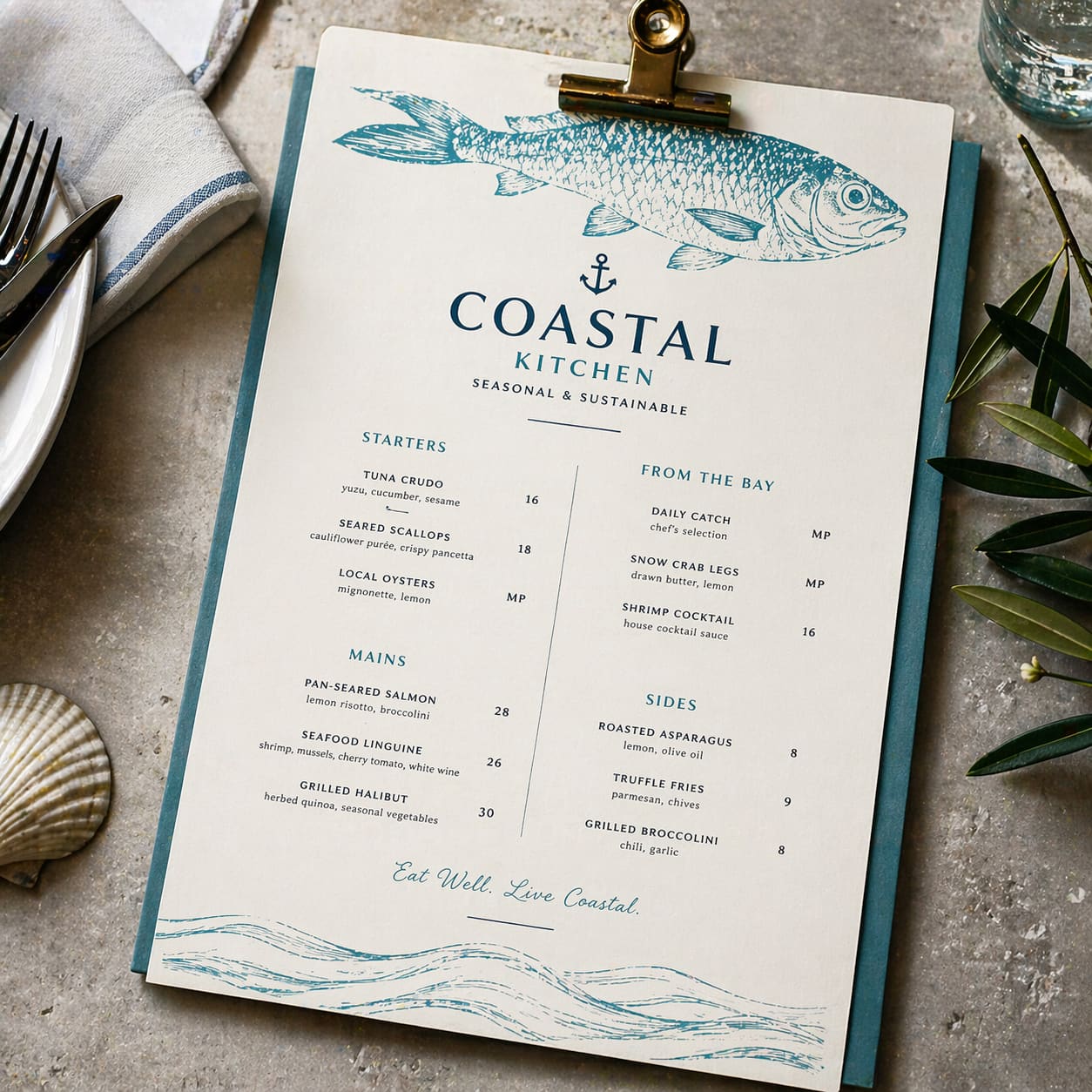
A well-designed restaurant menu uses layout, typography, and visual hierarchy to guide customer attention and increase profitability.
A restaurant menu is far more than a simple list of dishes. In reality, it is one of the most powerful sales tools a restaurant has. The way menu items are presented, described, and organized can strongly influence what customers order and how profitable a restaurant becomes.
Restaurant menu design combines layout strategy, psychology, pricing techniques, and visual presentation. When executed properly, a well-designed menu guides customers toward dishes that create both a great dining experience and strong financial performance for the restaurant.
Menu design is also closely connected to restaurant menu engineering, a discipline that analyzes dish profitability and customer behavior to optimize menu performance. Together, menu engineering and menu design form the foundation of a restaurant’s menu strategy.
Why Restaurant Menu Design Matters
The menu is often the first interaction guests have with your restaurant. Before tasting the food or interacting with the staff, customers form an impression of the restaurant based on what they see on the menu.
An effective menu should communicate the personality of the restaurant, highlight the most appealing dishes, and help guests navigate the options easily. Restaurants that design their menus strategically often see improvements in customer satisfaction, order value, and overall profitability.
In restaurant consulting projects, menu design is frequently one of the first elements analyzed when improving restaurant performance. Small adjustments in layout, wording, or pricing can significantly influence sales patterns.
Menu Layout and Visual Hierarchy
The layout of a restaurant menu plays an important role in how customers read and interpret the information. Studies show that diners usually scan menus quickly, often spending less than two minutes deciding what to order.
Because of this behavior, menu designers often rely on visual hierarchy to guide attention toward specific dishes.
One well-known concept in menu design is the “Golden Triangle.” This refers to the areas of the menu where the customer’s eyes naturally focus first — typically the center, top right, and top left sections of the page. Restaurants often place their most profitable or signature dishes in these areas.
Spacing, boxes, typography, and grouping also influence how customers scan the menu. Strategic design helps highlight specific dishes without overwhelming the reader with too much information.
The Right Size Menu
One of the most common mistakes restaurants make is offering too many menu items. While it may seem beneficial to provide a large selection, overly complex menus can confuse customers and slow down kitchen operations.
A focused menu allows restaurants to maintain better quality control, manage inventory more effectively, and improve kitchen efficiency.
Restaurants should also consider what their kitchen team can realistically produce during busy service periods. Menu items should be designed to either be prepared quickly or partially prepared in advance.
Operational efficiency is closely tied to menu strategy. Restaurants that streamline their menus often benefit from improved workflow and better coordination between kitchen and dining room teams. You can learn more about operational structure in this article on restaurant operations and BOH systems.
Menu Psychology and Color Influence
Menu psychology studies how visual and emotional triggers influence customer behavior. Colors, typography, and layout all play a role in shaping how customers perceive menu items.
For example, the color green is often associated with freshness and natural ingredients. Orange can stimulate appetite and create a sense of warmth and comfort. Yellow attracts attention and is frequently used to highlight important elements.
Restaurants sometimes use red to emphasize particular dishes or promotional items because the color is associated with action and excitement.
Feeding the Imagination Through Descriptions
The language used to describe dishes can significantly influence customer choices. Sensory descriptions help guests imagine flavors and textures before they even taste the food.
For example, describing a dish as “slow-roasted chicken with fresh herbs and garlic” creates a stronger emotional response than simply listing “chicken.”
Restaurants can also use storytelling techniques in their menu descriptions. References to family recipes, traditional cooking methods, or regional ingredients help create a memorable dining experience.
The Power of Limited Choices
Research shows that offering too many choices can overwhelm customers. When faced with too many options, diners may struggle to make decisions or default to familiar dishes rather than exploring the menu.
A well-structured menu typically limits the number of items in each category while still providing enough variety to satisfy different preferences.
Limiting choices also helps restaurants control food costs and maintain consistent quality across dishes.
Menu Pricing Strategy
Pricing is a critical component of menu design. Each dish must be priced in a way that reflects ingredient costs, supports profitability, and remains attractive to customers.
Restaurants often use subtle psychological pricing strategies. For example, removing currency symbols from menus can reduce the psychological impact of spending money. Instead of displaying “$20,” some menus simply display “20.”
Another common strategy is placing prices directly after descriptions rather than aligning them in a separate column. This encourages guests to focus on the dish rather than comparing prices.
Pricing strategies are closely tied to profitability analysis. Restaurants often review contribution margins and dish performance when adjusting menu prices. This process is a central part of restaurant cost control and profitability consulting.
Digital Menus and QR Code Technology
Modern restaurants increasingly use digital menus and QR code technology. QR code menus allow guests to access the menu directly from their smartphones, reducing printing costs and allowing restaurants to update menus quickly.
Digital menus also provide flexibility for restaurants that frequently update seasonal dishes or pricing. Changes can be implemented instantly without the need to reprint physical menus.
Get Practical Restaurant Profitability Insights
Receive practical insights on restaurant profitability, cost control, menu engineering, and operational systems.
Or schedule a direct meeting with Chef Eric.
Book a Free Restaurant Consultation