
Most people have heard of Michelin stars, one of the most prestigious recognitions a restaurant can receive. However, far fewer people understand how the Michelin Guide evaluates restaurants or how chefs actually earn these distinctions.
Today the Michelin Guide influences restaurants across Europe, Asia, and North America. Consequently, chefs and restaurateurs around the world study its evaluation criteria closely. Understanding how Michelin stars work therefore provides valuable insight into how exceptional restaurants operate.
Building a Michelin-Level Restaurant Requires More Than Great Food
The restaurants that consistently perform at Michelin-recognized standards rely on strong kitchen systems, menu engineering, operational discipline, leadership, and execution consistency. Michelin stars are awarded for culinary excellence, but maintaining that excellence requires exceptional restaurant operations.
What Is a Michelin Star?
A Michelin star is an international restaurant rating awarded by the Michelin Guide to restaurants demonstrating exceptional culinary quality, consistency, and technical execution.
Michelin inspectors anonymously evaluate restaurants based on:
- Ingredient quality
- Technical precision
- Flavor harmony
- Culinary identity
- Consistency over time
Restaurants may receive:
- One Star → Very good restaurant
- Two Stars → Excellent cooking worth a detour
- Three Stars → Exceptional cuisine worth a special journey
The Origins of the Michelin Guide
The Michelin Guide first appeared in 1900 when André and Édouard Michelin, founders of the Michelin tyre company, published a small red travel guide for motorists. At that time automobiles were rare and road conditions were rough.
To address these challenges, the Michelin brothers created a practical guide that listed mechanics, fuel stations, hotels, and places to eat along major travel routes. Their objective was simple: encourage people to travel more often, which would naturally increase demand for tires.
Over time the restaurant listings became increasingly important to readers. As a result, Michelin gradually focused more attention on gastronomy. In 1926 the guide introduced its now-famous star system to recognize exceptional restaurants. Eventually the Michelin Guide evolved into one of the most respected references in global dining.
How Michelin Inspectors Evaluate Restaurants
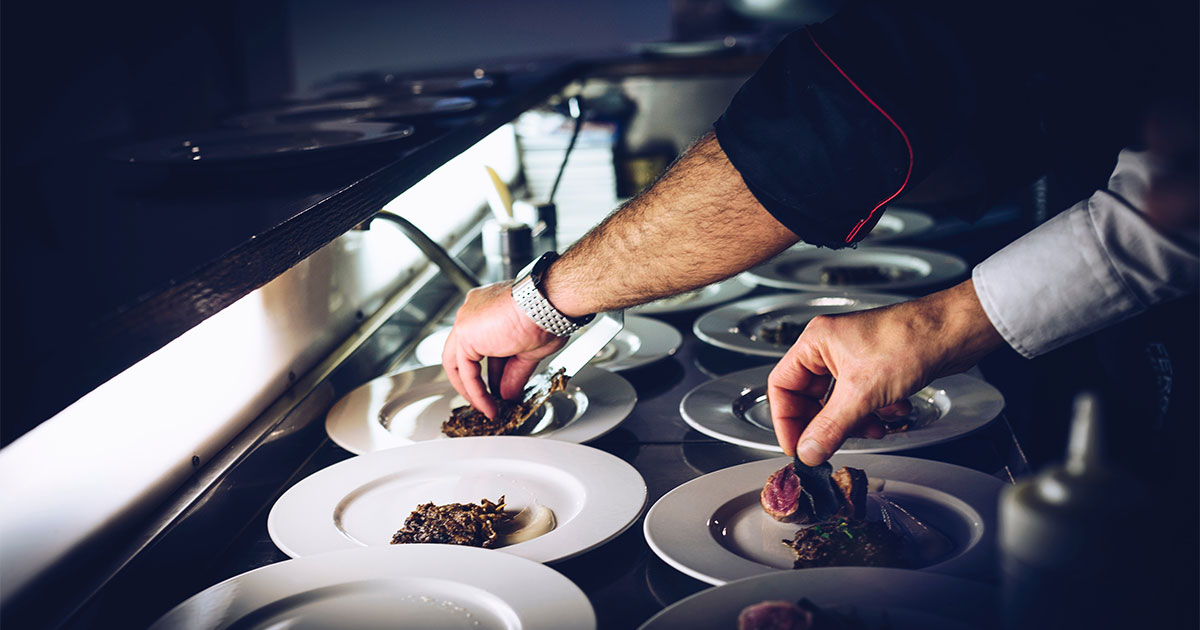
Michelin inspectors travel extensively and evaluate restaurants anonymously. Typically they revisit restaurants approximately every eighteen months. Nevertheless, when inspectors believe a restaurant may qualify for a star, they often return several times within the same year.
Inspectors always pay for their meals to maintain independence. After each visit they write detailed reports describing the experience and evaluating the cuisine according to Michelin’s internal criteria. Multiple inspectors then review these reports before Michelin confirms a classification.
Rather than focusing primarily on luxury or décor, Michelin evaluates the cuisine itself. Inspectors therefore analyze several key elements:
- Quality and sourcing of ingredients
- Technical mastery of cooking techniques
- Harmony and balance of flavors
- The personality and identity of the cuisine
- Consistency across multiple visits
Michelin Star Classification
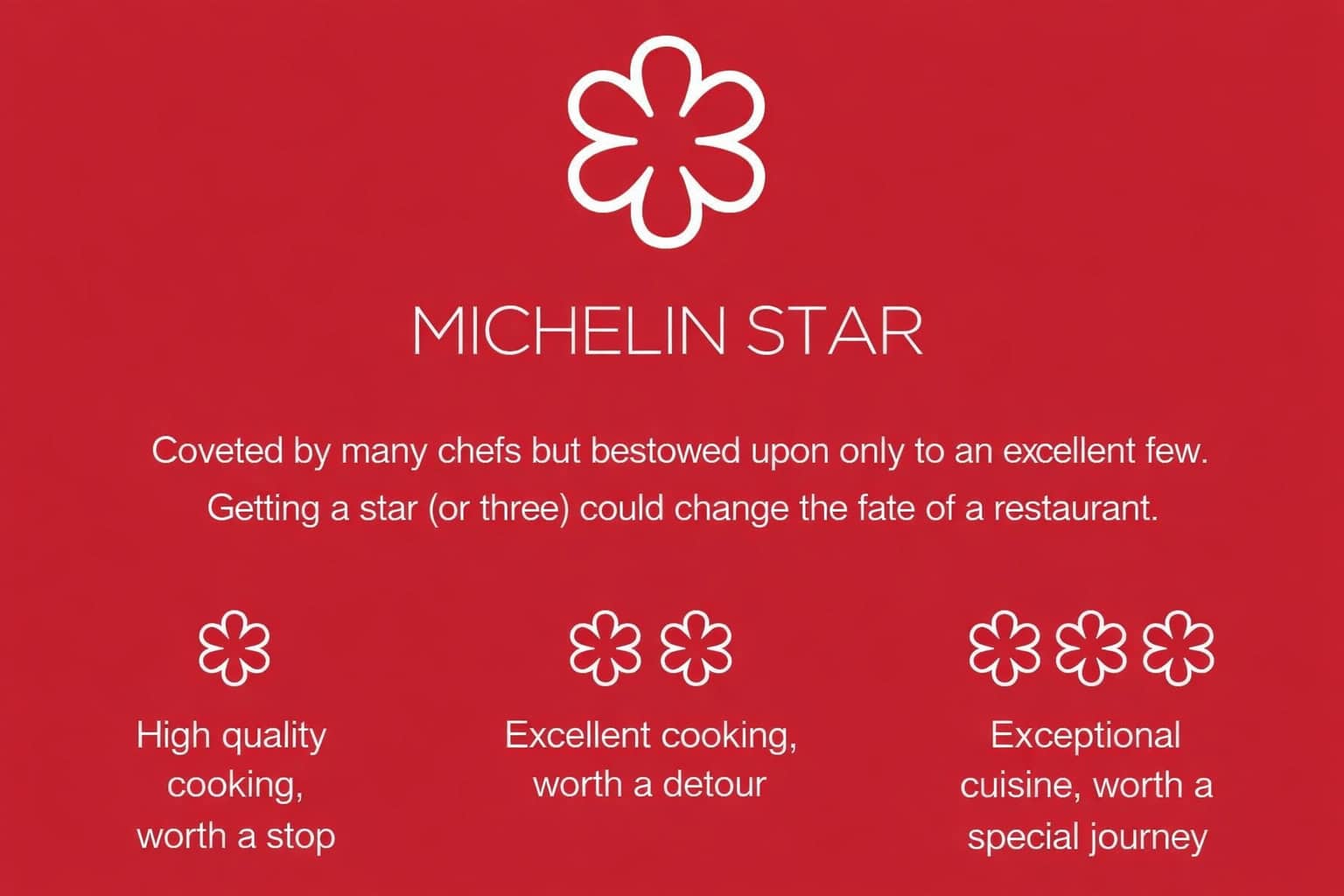
The Michelin Guide uses a three-star system that represents increasing levels of culinary excellence.
One Michelin Star indicates very good cooking in its category. Restaurants at this level demonstrate precise technique, strong ingredients, and consistent execution.
Two Michelin Stars denote excellent cooking worth making a detour to experience. At this level chefs often demonstrate greater refinement, creativity, and a stronger culinary identity.
Three Michelin Stars represent exceptional cuisine worth a special journey. Restaurants achieving this distinction combine extraordinary ingredients, flawless execution, and a unique gastronomic vision.
What It Takes to Earn Michelin Stars
Although many people associate Michelin stars with luxury dining rooms, the guide primarily rewards the quality of the food itself. Consequently, exceptional cuisine can appear in both refined restaurants and very modest establishments.
For example, several Michelin-starred restaurants in Hong Kong, Singapore, and Tokyo operate as small noodle shops or street-food counters. In these cases inspectors recognize the remarkable quality and consistency of the cuisine rather than the surrounding décor.
Nevertheless, as restaurants move toward the two-star and three-star levels, the entire dining experience typically becomes more refined. Service precision, kitchen organization, ingredient sourcing, and culinary creativity must all operate at a remarkably high level. Restaurants pursuing this level of consistency often require strong operational systems , disciplined kitchen workflow, and aligned front-of-house execution.
Achieving Michelin-level consistency also depends on leadership, staff development, and operational discipline throughout the organization. Many successful restaurants invest heavily in restaurant leadership coaching and structured restaurant training programs to ensure standards are maintained across every service.
You can also explore my Michelin-standard restaurant consulting services focused on operational readiness, kitchen systems, culinary consistency, and restaurant execution standards.
Michelin Recognition Starts With Consistency
Many restaurants focus exclusively on food quality while overlooking menu profitability, kitchen systems, labor management, and operational execution. The reality is that consistency is often what separates good restaurants from those capable of operating at Michelin-recognized standards.
Additional Michelin Distinctions
Beyond the famous stars, the Michelin Guide recognizes restaurants through several other distinctions.
- Bib Gourmand identifies restaurants offering excellent food at moderate prices.
- Fork and Spoon symbols indicate the comfort and overall quality of the restaurant environment.
- Wine indicators highlight restaurants with notable wine programs.
Sustainability and the Future of Michelin Recognition

In 2020 Michelin introduced the Michelin Green Star to recognize restaurants demonstrating exceptional commitments to sustainability, responsible sourcing, environmental stewardship, and waste reduction.
The distinction highlighted chefs and restaurants that combined culinary excellence with thoughtful approaches to farming, ingredient sourcing, energy use, food waste management, and broader sustainability initiatives.
More recently, Michelin has begun evolving its sustainability recognition strategy and expanding its focus beyond a standalone Green Star designation. Through new editorial initiatives and industry storytelling, Michelin continues to spotlight chefs, producers, and hospitality leaders who are helping shape a more sustainable future for gastronomy.
Regardless of specific awards or recognition programs, sustainability has become an increasingly important consideration for modern restaurants. Many operators now view responsible sourcing, local partnerships, waste reduction, and operational efficiency as both environmental and business priorities.
Restaurants receiving the Green Star typically prioritize local sourcing, seasonal menus, ethical supply chains, and reduced food waste. In addition, many of these restaurants work closely with farmers and producers while implementing environmentally responsible kitchen practices.
Michelin Excellence Requires Team Excellence
Even exceptional menus can fail without strong leadership, training, and operational consistency. Michelin-recognized restaurants rely on teams that execute at a high level every day.
Explore Leadership Coaching → | Restaurant Training Programs →
The Financial Reality Behind Michelin Stars
While Michelin recognition often increases visibility and media attention, maintaining that level of excellence can create significant financial pressure. Restaurants frequently invest in better ingredients, highly skilled staff, and refined dining environments in order to meet guest expectations.
Consequently, Michelin stars do not automatically guarantee higher profits. In some situations operational costs increase as restaurants strive to maintain consistency at the highest level.
The Psychological Pressure of Michelin Recognition
Beyond financial considerations, Michelin recognition also carries a psychological dimension that is rarely discussed outside the professional culinary world. Because the guide strongly influences the reputation of restaurants, chefs often feel enormous pressure to maintain their stars year after year.
For example, British chef Marco Pierre White became the youngest chef ever to receive three Michelin stars in 1995 at his restaurant in London. However, after maintaining the highest Michelin distinction, he famously returned his stars in 1999 and stepped away from the Michelin system, explaining that he no longer wished to be judged by inspectors.
Similarly, French chef Michel Bras earned three Michelin stars for his restaurant in Laguiole in 1999 and maintained that status for many years. Later, his son Sébastien Bras, who took over the restaurant, requested in 2017 that Michelin remove the restaurant from the guide in order to reduce the constant pressure associated with maintaining the top ranking.
Another tragic example often discussed in the culinary world is French chef Bernard Loiseau , whose restaurant La Côte d’Or held three Michelin stars. In 2003, amid intense media speculation that his restaurant might lose its third star, Loiseau died by suicide at the age of 52. His death shocked the culinary community and highlighted the extreme psychological pressure that can accompany Michelin recognition.
These examples illustrate that while Michelin stars represent one of the highest achievements in gastronomy, they also bring significant expectations and responsibility for chefs and restaurant teams striving to maintain that level of excellence.
Could Your Restaurant Operate at a Michelin-Recognized Standard?
Many restaurants have talented chefs and strong concepts but struggle with consistency, kitchen systems, menu profitability, leadership alignment, and operational discipline. These are often the same areas Michelin-level restaurants execute exceptionally well.
Restaurants pursuing Michelin-level standards often begin with an operational assessment to identify opportunities in leadership, training, kitchen systems, menu engineering, and execution consistency. Learn more about the Michelin Readiness Assessment.
Frequently Asked Questions About Michelin Stars
What is a Michelin star?
A Michelin star is a restaurant rating awarded by the Michelin Guide to restaurants demonstrating exceptional culinary quality, technical execution, and consistency.
How many Michelin stars can a restaurant earn?
Restaurants can earn between one and three Michelin stars depending on the quality and consistency of the cuisine.
Do Michelin inspectors pay for their meals?
Yes. Michelin inspectors dine anonymously and always pay for their meals in order to maintain independence and objectivity.
Can restaurants lose Michelin stars?
Yes. Michelin inspectors regularly revisit restaurants, and stars may be removed if consistency or quality declines over time.
What does the Michelin Green Star mean?
The Michelin Green Star recognizes restaurants demonstrating strong commitments to sustainability, ethical sourcing, and environmentally responsible practices.
How Can I Help?
Understanding how the Michelin Guide works is only the first step. Restaurants that operate at a Michelin-recognized level typically rely on disciplined systems, precise culinary execution, and strong alignment between the kitchen and the dining room.
Through my consulting work, leadership coaching, and restaurant training programs, I help chefs and restaurant owners evaluate where their operations currently stand and identify what must evolve in order to reach a higher level of culinary and operational performance.
If your ambition is to build a restaurant capable of operating at a Michelin-recognized standard, we can begin with an honest assessment of your concept, kitchen systems, menu structure, and overall restaurant ecosystem.
Could Your Restaurant Operate at Michelin Standards?
Most restaurants struggle because consistency, execution discipline, kitchen systems, and operational structure break down under pressure. Michelin-level performance requires precision, coordination, and consistency service after service.
Private operational assessments for restaurants seeking stronger consistency, execution standards, and long-term culinary positioning.