
Busy Restaurant, No Profit? Here’s What’s Really Going Wrong
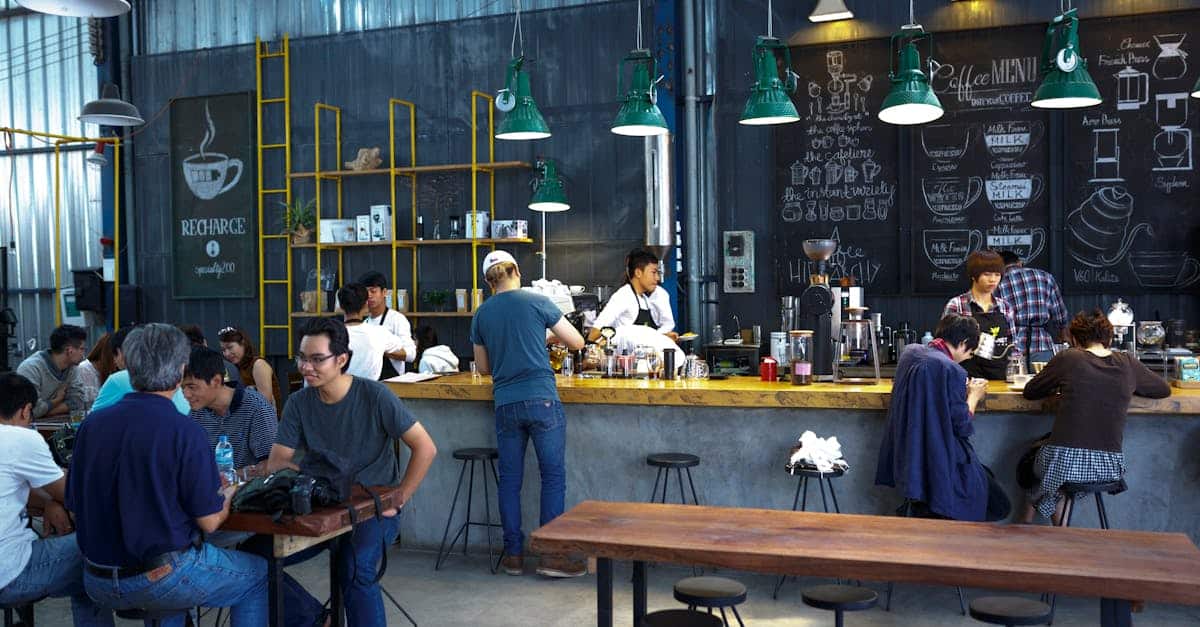
Busy restaurant no profit is more common than most operators admit. Sales are strong. Service is full. The team is working nonstop. Yet cash flow feels tight and margins stay thin.
On the surface, everything appears healthy. However, strong volume often hides structural inefficiencies. When revenue is consistent, small leaks remain invisible — until they compound.
Busy does not mean profitable.
Why Busy Restaurants Still Lose Margin
High sales can mask operational weaknesses for months. As a result, profit slowly erodes while the restaurant appears successful.
- Over-portioning
- Inconsistent prep yield
- Weak inventory discipline
- Labor scheduled emotionally instead of by forecast
- Menu pricing based on guesswork
These are not dramatic mistakes. They are small structural leaks that accumulate.
For a detailed breakdown of how structured BOH systems corrected this in one operation, read: How Proper BOH Systems Quietly Recovered ~$36,000 a Year in a Restaurant .
Macro Case Example: What Weekly Control Actually Changes
In a separate mid-size independent restaurant, weekly prime cost tracking revealed recurring labor overages and menu-level margin inconsistencies.
After implementing tighter inventory systems, contribution margin analysis, and structured weekly review meetings, the restaurant recovered approximately $44,000 in annualized margin.
No price increases. No marketing campaign. Only operational structure and disciplined management.
That represented roughly a 4–5% margin correction — achieved entirely through control.
Prime Cost Is the Truth
Prime cost tells you whether your restaurant is healthy or simply busy. Most stable independent operations operate between 55%–60%.
If you consistently sit above 63%, pressure builds quickly. Furthermore, prime cost should be reviewed weekly — not quarterly. Waiting months to adjust is expensive.
If you want the systems framework behind this, start here: restaurant costing and profitability systems .
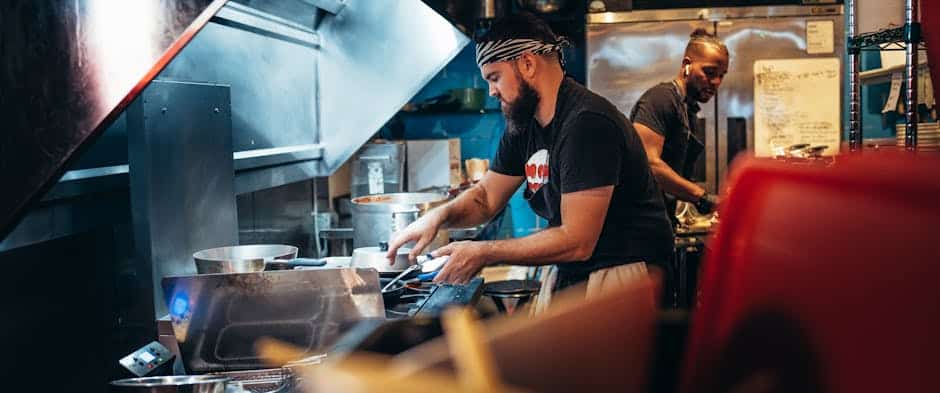
Front of House Revenue Control Still Matters
Busy service does not automatically increase profitability. If the front of house isn’t structured to drive margin-focused behavior, revenue becomes activity — not profit.
If you haven’t read it yet, this connects directly: Front of the House Revenue System: Why Service Drives Restaurant Profit .
The Real Cost of Waiting
If your restaurant is leaking just 3–5% margin monthly, that can represent $30,000–$70,000 per year depending on volume.
Meanwhile, stress increases and control decreases. Busy restaurants rarely fail because of lack of guests — they fail because small structural leaks are ignored.
Diagnose Your Prime Cost
If your restaurant is busy but margins feel tight, let’s identify exactly where profit is escaping — food, labor, menu mix, and revenue control.