
Restaurant Industry Trends That Still Matter in 2026
Restaurant industry trends continue evolving rapidly. However, the fundamentals of profitability, efficiency, leadership, and guest experience remain constant. While some trends disappear quickly, other operational strategies continue delivering long-term results for restaurants willing to adapt strategically.
Therefore, successful restaurant operators focus on trends that improve operational stability, profitability, workflow efficiency, and customer retention rather than chasing short-term hype without measurable business value.
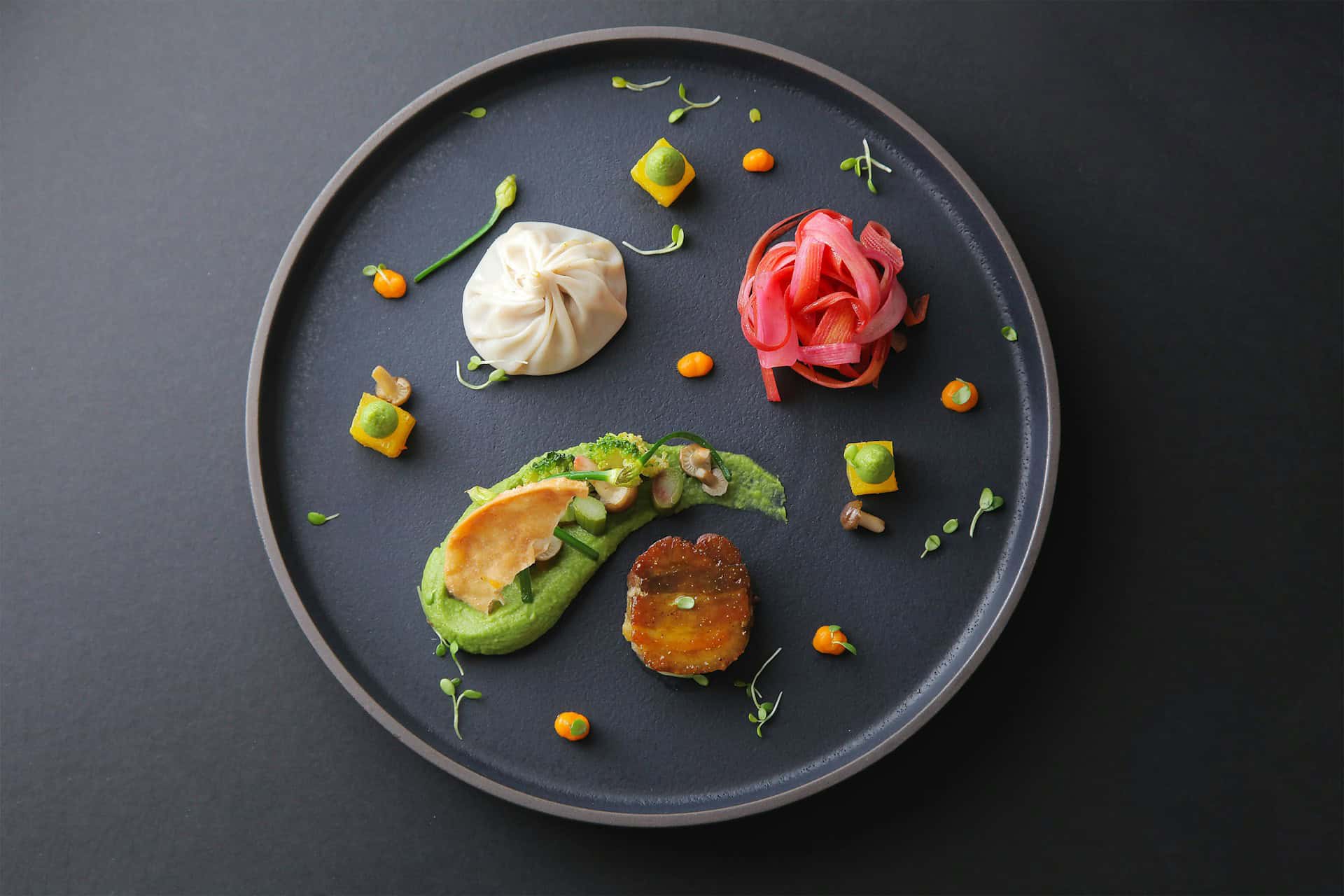 Modern restaurant menu trends continue evolving through sustainability, culinary innovation, global influences, and guest experience design.
Why Restaurant Trends Still Matter
Staying Competitive in a Changing Industry
First, understanding restaurant industry trends allows operators to remain competitive and operationally relevant. Additionally, adapting the right trends helps restaurants modernize systems without sacrificing operational consistency or profitability.
Moreover, restaurants that evaluate trends strategically often improve guest retention, streamline workflows, and strengthen long-term brand positioning. Consequently, operators who ignore evolving customer expectations frequently struggle maintaining momentum in increasingly competitive markets.
Applying Trends Strategically
Not every trend benefits every restaurant. Therefore, trends should be evaluated according to concept type, operational capacity, staffing structure, and profitability goals.
In many cases, implementing structured systems with the support of a restaurant consultant in Vancouver helps operators apply trends effectively while maintaining operational control.
Menu Trends and Profitability
Simplified Menus and Stronger Margins
Menu simplification remains one of the most impactful restaurant trends. Rather than offering oversized menus, many successful restaurants now focus on high-margin, operationally efficient dishes that teams can execute consistently.
As a result, restaurants often reduce waste, improve kitchen organization, simplify inventory management, and increase profitability simultaneously.
Strategic Menu Engineering
In addition, plant-based options, globally inspired flavors, and seasonal menus continue growing in popularity. However, these trends should be implemented strategically through menu engineering and restaurant cost control systems to ensure profitability and operational sustainability.
Ghost Kitchens and Delivery Evolution
Convenience-Driven Dining
Ghost kitchens and delivery-focused concepts continue transforming the restaurant industry. Initially designed to reduce overhead costs, these models expanded rapidly as customer demand for convenience increased.
Furthermore, delivery systems now influence menu design, packaging, workflow organization, labor systems, and kitchen layouts.
Balancing Delivery and Profitability
While third-party delivery platforms provide visibility and additional revenue opportunities, they can also reduce profitability and weaken brand control if managed poorly.
Therefore, operators must evaluate commission structures, packaging systems, workflow efficiency, and menu optimization carefully before expanding delivery operations aggressively.
Personalization and Guest Experience
Creating Stronger Customer Loyalty
Customers increasingly expect personalized dining experiences. Whether through customizable menu options, tailored service, or digital ordering systems, personalization strengthens customer satisfaction and long-term loyalty.
Additionally, restaurants that deliver consistent guest experiences often benefit from stronger reviews, improved retention, and increased word-of-mouth marketing.
Operational Consistency Matters
As a result, implementing structured operational systems such as FOH systems and SOP setup helps restaurants deliver reliable and high-quality guest experiences consistently.
Sustainability and Cost Control
Operational Sustainability
Sustainability is no longer optional for modern restaurants. Consequently, customers increasingly expect restaurants to reduce waste, improve sourcing practices, and implement environmentally responsible operations.
At the same time, sustainability initiatives must support profitability and operational efficiency rather than create unnecessary complexity.
Waste Reduction and Workflow Efficiency
Therefore, integrating sustainability into operational systems such as BOH systems and SOP setup helps restaurants improve workflow organization, reduce food waste, and strengthen operational consistency.
Technology and Restaurant Systems
Digital Restaurant Operations
Technology continues shaping the restaurant industry through online reservations, digital menus, integrated POS systems, kitchen display systems, and mobile ordering platforms.
Additionally, customers increasingly expect digital convenience throughout the guest experience. Therefore, restaurants without modern systems often struggle meeting evolving customer expectations.
Training and Operational Standards
At the same time, technology alone does not improve operations without proper systems and staff training. Consequently, programs such as food handler certification help teams execute operational standards consistently while supporting workplace safety and compliance.
Conclusion: Focus on What Actually Works
Long-Term Restaurant Success
In conclusion, restaurant trends should not be followed blindly. Instead, operators should focus on proven operational strategies that improve efficiency, profitability, workflow consistency, and guest experience.
By combining industry awareness with structured restaurant systems, restaurants can remain competitive while building stronger operational foundations for long-term success.
Frequently Asked Questions
Below are common questions about restaurant industry trends, operational systems, and restaurant profitability strategies.
What are the most important restaurant trends today?
Menu simplification, delivery optimization, sustainability, technology integration, and operational systems remain among the most important restaurant industry trends for long-term success.
Are ghost kitchens still relevant?
Yes. Ghost kitchens continue growing because they reduce overhead costs while supporting increasing customer demand for delivery-based dining experiences.
How can restaurants stay profitable while following trends?
Restaurants stay profitable by implementing trends strategically through structured operational systems, menu engineering, labor control, and workflow optimization.
What role does technology play in restaurants?
Technology improves operational efficiency, customer convenience, workflow consistency, and communication through systems such as online ordering, digital menus, reservations, and POS integration.
Improve Restaurant Operations and Profitability
Book a free consultation and identify opportunities to improve operational efficiency, menu profitability, workflow systems, labor performance, and guest experience. Work with a restaurant consultant in Vancouver to strengthen systems, improve consistency, and support long-term restaurant profitability.