Restaurant industry trends shape how independent operators position their brand, structure their menus, and manage long-term profitability. Consumer behavior evolves quickly. Restaurants that fail to adapt often experience declining relevance, reduced traffic, and margin pressure.
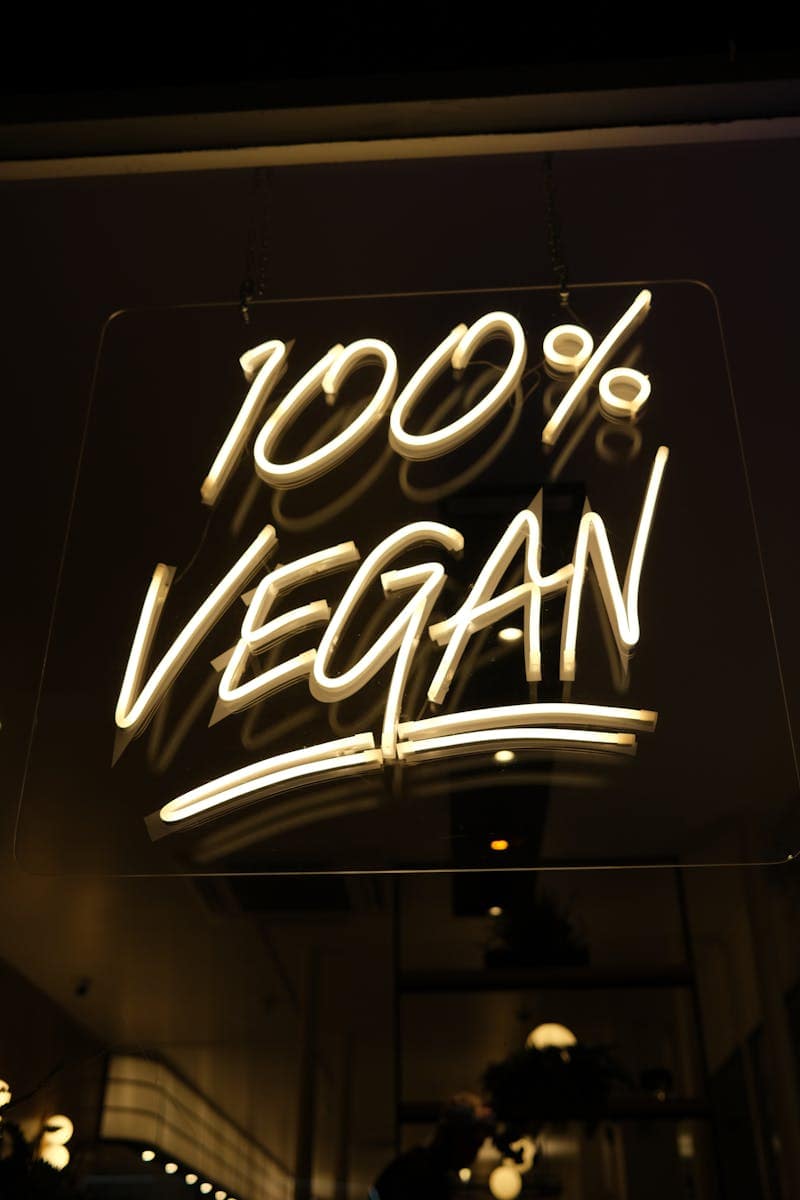
One of the most visible restaurant industry trends is the continued growth of plant-based dining. Vegan and flexitarian demand influences menu development, sourcing decisions, and marketing language. However, trend adoption without operational discipline creates cost instability and execution risk.
Strategic trend integration must align with disciplined
menu engineering systems
so pricing, contribution margins, and production flow remain protected. Trends should strengthen positioning — not compromise operational control.
When industry shifts affect revenue or traffic patterns, restaurants may require structured recalibration. A focused
restaurant optimization and turnaround strategy
helps leadership teams realign market positioning with operational performance.
Leadership execution remains critical. Through a structured
coaching and consulting hybrid model
, operators can implement market-responsive systems while maintaining financial discipline.
Restaurant industry trends will continue to evolve. Restaurants that combine market awareness with structured operational systems create sustainable competitive advantage instead of reactive short-term adjustments.
If you are in the food and hospitality business, you won’t want…
The food and beverage industry is no doubt a flourishing one, but…