
Trade Tariffs Impact on Restaurants: How U.S. Policies Affect Canadian Operators
The trade tariffs impact on restaurants is often underestimated, yet it directly affects food costs, supply chains, and profitability. When trade tensions rise between Canada and the United States, tariffs on agricultural products, materials, and transportation ripple through the entire restaurant industry.
Restaurants operate within a complex network of farmers, distributors, processors, and logistics companies. Even small trade policy shifts can alter food pricing, supply availability, and consumer spending patterns. For Canadian restaurant operators, understanding these risks helps protect margins and maintain operational stability.
Why Trade Tariffs Impact Restaurants
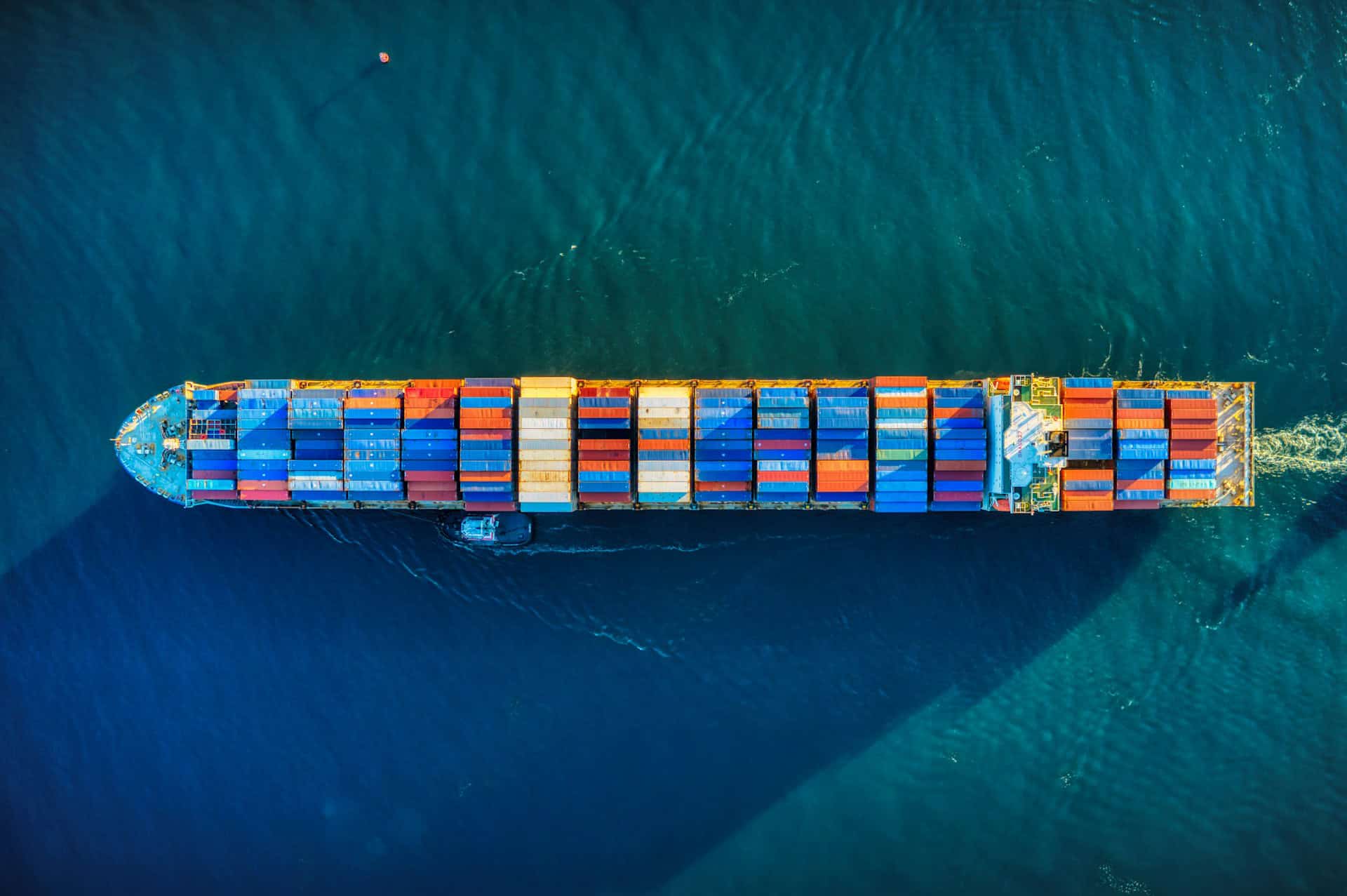
Restaurants depend on stable supply chains. Farmers produce ingredients, distributors transport them, processors package them, and suppliers deliver them to kitchens. Tariffs introduce friction into that system.
When tariffs increase the cost of exports or imports, those additional costs often move through several layers of the food system before reaching restaurants. The trade tariffs impact on restaurants becomes visible when cost increases move through multiple stages before reaching operators. Even tariffs that target unrelated sectors—such as steel or aluminum—can raise the price of kitchen equipment, construction materials, and restaurant infrastructure.
Trade Tariffs Impact on Restaurant Food Costs
Tariffs can shift supply and demand across agricultural markets. If Canadian products face export restrictions, producers may redirect inventory toward domestic markets. Short-term oversupply might temporarily reduce prices, but long-term market adjustments often create price instability.
Restaurants frequently feel these shifts first. Key ingredients such as meat, dairy, produce, and imported specialty products may fluctuate in price as distributors react to market conditions.
For restaurants operating on narrow profit margins, even small changes in food costs can significantly affect profitability.
Trade Tariffs Impact on Restaurant Supply Chains
Trade disputes often introduce uncertainty into logistics networks. Suppliers may alter sourcing strategies, transportation routes, or inventory planning when tariffs affect cross-border trade.
Restaurants may experience delayed deliveries, inconsistent ingredient availability, or sudden changes in supplier pricing. These disruptions make menu planning more complex and can force operators to adapt quickly.
Economic Ripple Effects
Trade conflicts also influence broader economic conditions. Industries connected to international trade—agriculture, manufacturing, and transportation—may experience slowdowns when tariffs rise.
According to Statistics Canada, shifts in trade and economic conditions directly influence consumer spending patterns, which impacts restaurant performance.
Global trade policies and tariff changes tracked by the World Trade Organization continue to influence supply chain stability worldwide.
When economic uncertainty grows, consumer spending often becomes more cautious. Restaurants typically feel these changes quickly because dining out is considered discretionary spending.
Restaurant Food Cost Inflation and Supply Chain Risks
Canadian restaurants have already experienced significant food cost inflation and supply chain disruptions over the past several years. Trade tariffs can intensify these challenges by adding uncertainty to global food distribution systems.
When supply chains tighten, distributors pass cost increases through multiple stages before they reach restaurants. Proteins, produce, and specialty imports often become more expensive when international trade becomes unstable.
Maintaining strong operational discipline becomes essential. Restaurants that closely track food cost percentages and supplier pricing can adapt faster when market conditions change.
How Canadian Restaurants Can Adapt to Trade Tariffs
Diversify Suppliers
Working with multiple suppliers reduces reliance on a single market. Diversifying purchasing channels allows restaurants to respond quickly if tariffs affect one specific supply route.
Strengthen Local Sourcing
Local sourcing can reduce exposure to international trade disruptions while supporting regional agriculture. Many guests also appreciate menus that highlight locally produced ingredients.
Optimize Menu Strategy
Flexible menu design helps restaurants manage changing ingredient costs. Seasonal dishes, rotating specials, and strategic menu design can maintain profitability even when supply prices fluctuate.
Operators seeking stronger financial stability may benefit from structured approaches such as menu engineering and improved restaurant cost control systems .
Monitor Trade Developments
Restaurant owners who stay informed about trade policy and market changes can prepare earlier for potential disruptions. Monitoring pricing trends, supplier availability, and economic indicators allows operators to adjust purchasing strategies proactively.
Preparing for an Uncertain Trade Environment
Trade policies evolve constantly, and their exact impact often unfolds over time. Understanding the trade tariffs impact on restaurants allows operators to better prepare for cost volatility and supply disruptions. Restaurants that build resilient supply chains, flexible menus, and disciplined cost management systems are better positioned to navigate these changes.
Get Restaurant Industry Insights
Stay informed on restaurant trends, industry challenges, and operational strategies affecting hospitality businesses.
Or schedule a direct meeting with Chef Eric.
Book a Free Restaurant Consultation