
Start Here: Restaurant Profitability
If you’re trying to understand where your money is going, start with prime cost.
Prime cost combines your food cost and labor cost, and it is the most important number in your restaurant.
If you need help analyzing and improving these numbers, working with a restaurant consultant in Vancouver BC can help you take control of your profitability.
Read the Prime Cost Guide →
Busy Restaurant, No Profit? Here’s What’s Really Going Wrong
Busy Restaurant, No Profit? Here’s What’s Really Going Wrong A full dining room can look…

RESTAURANT WASTE MANAGEMENT
Restaurant Waste Management: How to Reduce Food Waste and Improve Profitability Food waste is one…

Restaurant Business Planning: The Financial Framework Behind Sustainable Profit
Restaurant Business Planning: The Financial Framework Behind Sustainable Profit Data-driven dashboards support better cost control…
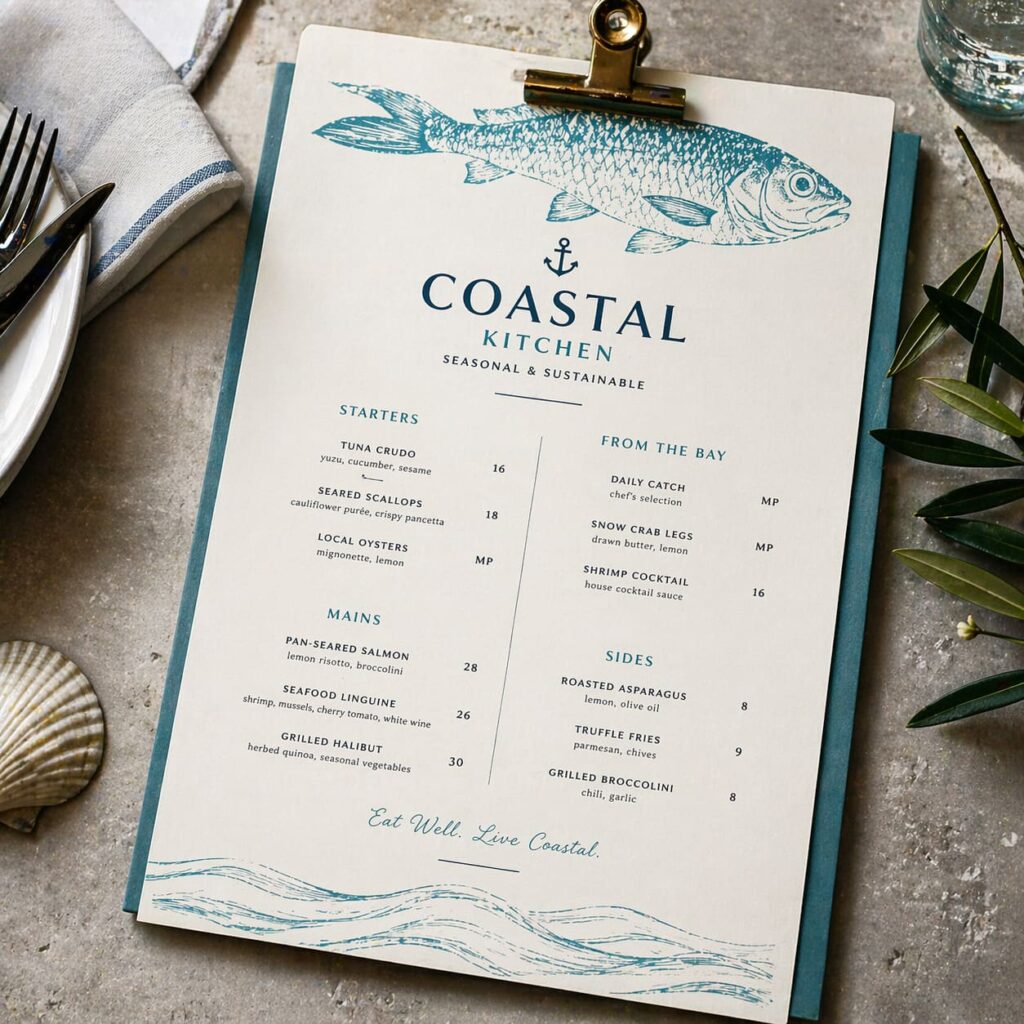
How Can Restaurant Menu Design Helps You Stand Out?
Restaurant Menu Design: How to Stand Out and Increase Profitability A well-designed restaurant menu uses…
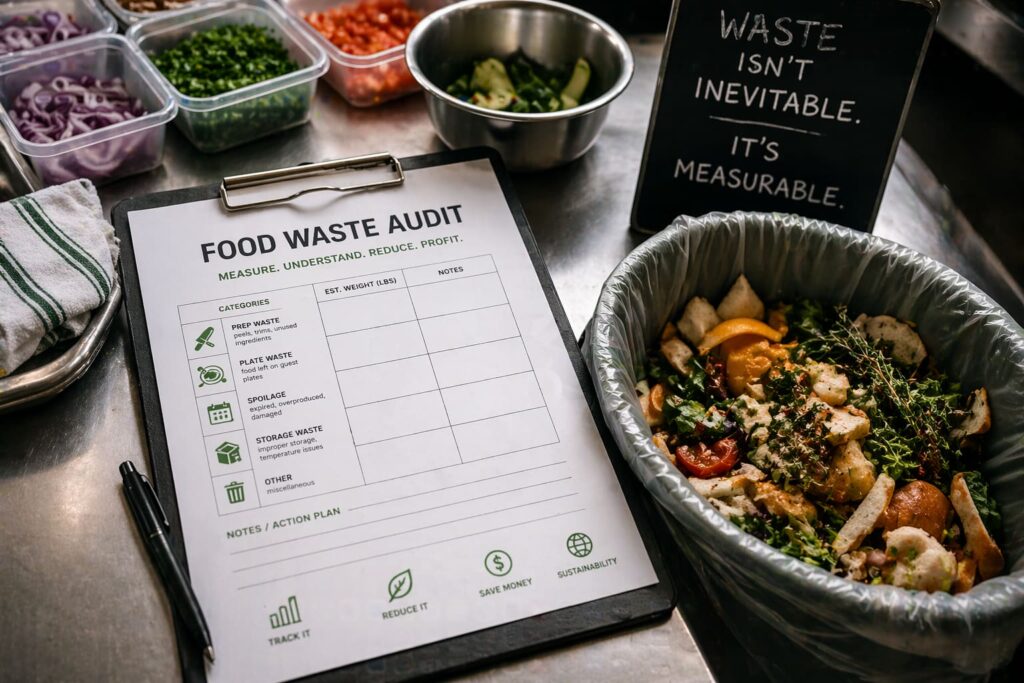
Conducting Food Waste Audits: A Vital Step for Restaurants
Conducting Food Waste Audits: A Vital Step for Restaurants Food waste is one of the…
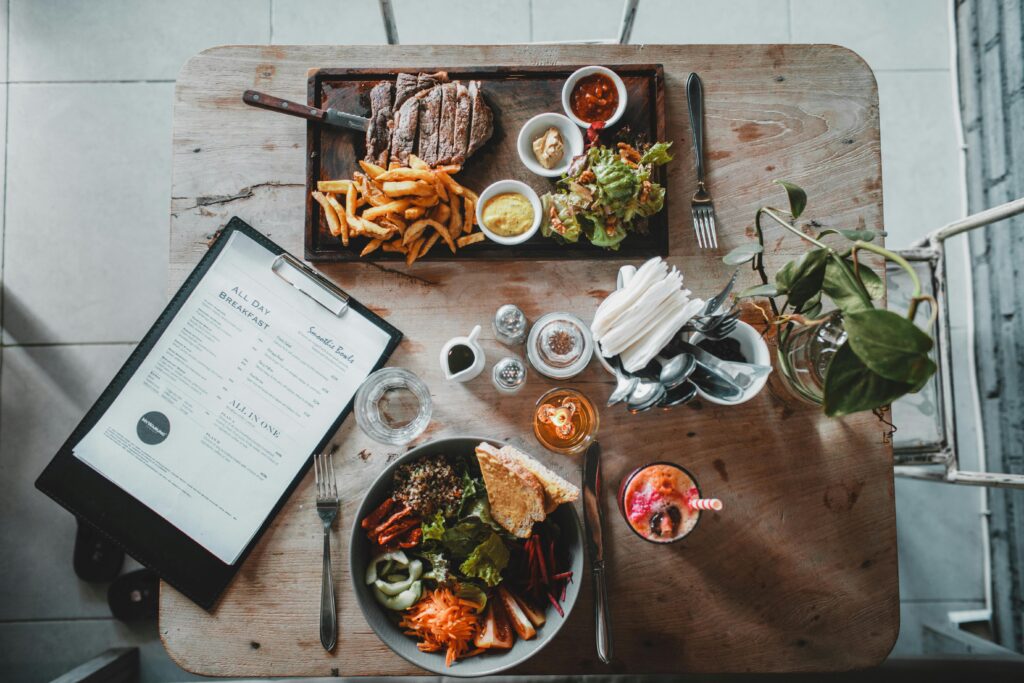
Restaurant Menu Profitability Analysis and Optimization
Restaurant Menu Profitability Analysis and Optimization In the competitive landscape of the restaurant industry, understanding…
3 Ways to Deal With Post-Holiday Excess Restaurant Inventory
3 Ways to Deal With Post-Holiday Excess Restaurant Inventory After the busy holiday season, many…
Restaurant Profitability: Systems That Drive Long-Term Success
Restaurant profitability depends on more than just sales. In fact, the most profitable restaurants focus on controlling their prime cost, which combines food cost and labor cost into one critical number. Because of this, understanding restaurant profitability starts with building strong systems around purchasing, staffing, and menu pricing.
However, many operators struggle because their financial systems are inconsistent. For example, they may track purchases but fail to update recipes or adjust menu prices when costs increase. As a result, margins slowly erode without clear visibility. Over time, this leads to lower profitability even when the restaurant appears busy.
Successful operators take a different approach. First, they monitor prime cost weekly to detect issues early. Next, they align labor scheduling with sales patterns to improve efficiency. In addition, they use menu engineering to ensure each item contributes to overall profitability. Because of this structured approach, they maintain control and avoid financial surprises.
If you want to go deeper into financial planning and build a complete system, explore the Restaurant Business Planning Online Course . This program explains how to structure your restaurant finances, control costs, and improve profitability over time.
Ultimately, restaurant profitability is not about one number—it is about how all systems work together. By focusing on prime cost, cost control, and operational discipline, you create a foundation for long-term success.