
3 Ways to Deal With Post-Holiday Excess Restaurant Inventory
After the busy holiday season, many restaurants discover they ordered more inventory than they actually needed. Although preparing for seasonal demand is essential, excess inventory creates operational pressure, increases food waste, reduces storage efficiency, and negatively affects profitability if not managed quickly.
Fortunately, restaurants can reduce losses and improve operational efficiency by repurposing ingredients, improving inventory systems, reducing waste, and strengthening forecasting strategies for future seasonal periods.
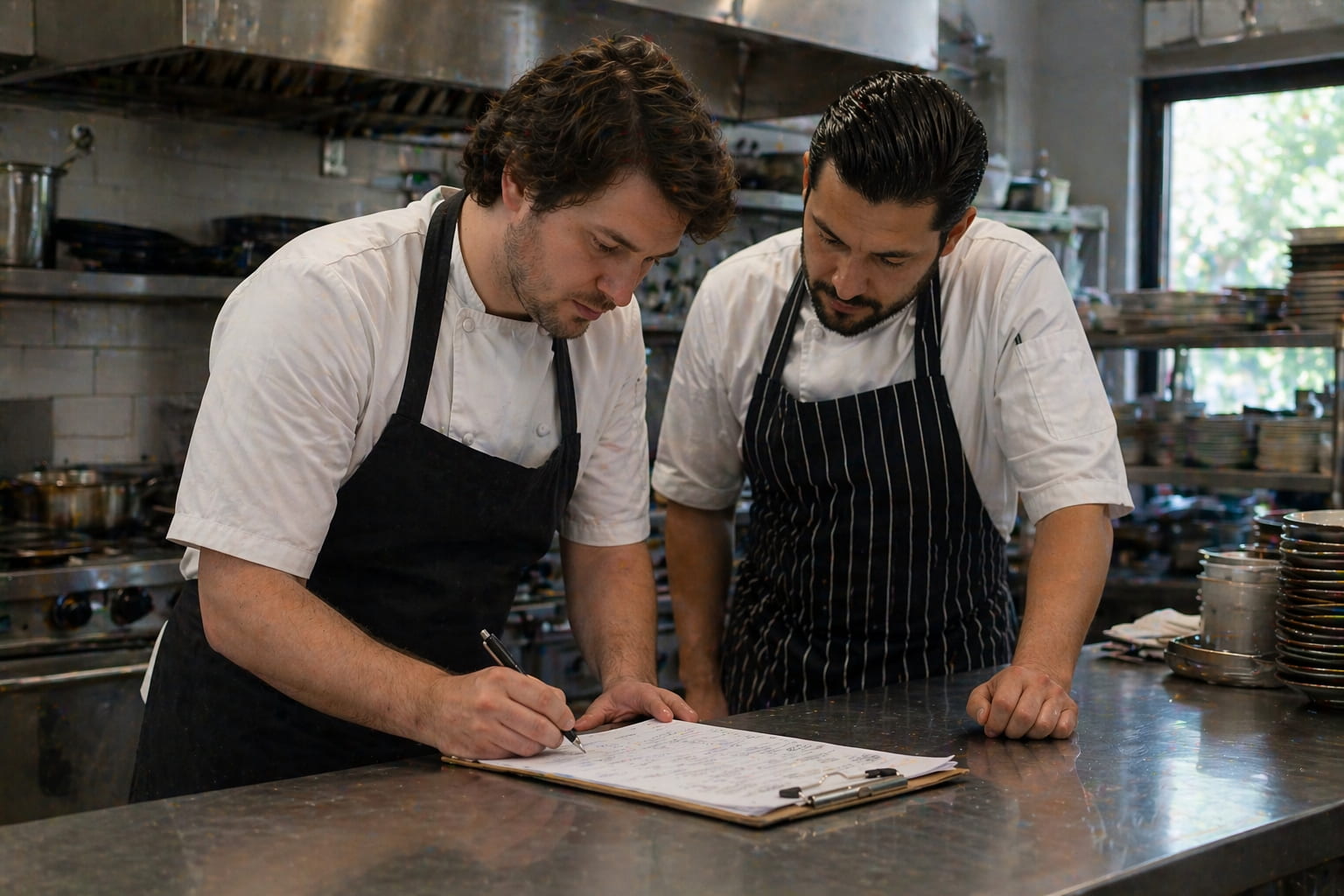
Why Excess Restaurant Inventory Becomes a Problem
Storage Pressure and Food Waste
When restaurant storage shelves remain overloaded after the holiday season, kitchens become less efficient and inventory becomes harder to manage. Consequently, restaurants often spend more labor hours rotating products, organizing storage, and tracking ingredients approaching expiration dates.
Additionally, excess inventory limits flexibility for new seasonal products and menu changes. As a result, operational efficiency declines while food waste risk increases.
Profitability and Sustainability
Throwing away excess inventory directly impacts restaurant profitability. However, food waste also creates environmental concerns that increasingly influence customer perception and restaurant reputation.
Therefore, restaurants that improve inventory control systems often benefit financially while also strengthening sustainability practices and operational organization.
1. Repurpose Excess Food Inventory
Create Limited-Time Specials
One of the most effective ways to reduce excess restaurant inventory is to repurpose ingredients into new dishes or limited-time menu features. Rather than allowing products to expire, restaurants can create lunch specials, feature cocktails, soups, sauces, or seasonal menu additions using surplus inventory.
Furthermore, limited-time offers help keep menus fresh while encouraging repeat visits from regular customers.
Zero-Waste Kitchen Strategies
Many restaurants now adopt zero-waste cooking strategies to maximize ingredient utilization. Consequently, kitchens increasingly reuse trim, scraps, and surplus products creatively to reduce waste and improve profitability.
For example, vegetable trim can become stocks or sauces, while surplus fruits may become syrups, desserts, or specialty beverages.
Additionally, strategic menu engineering helps restaurants integrate excess inventory into profitable menu items more effectively.
2. Donate Excess Restaurant Inventory
Supporting the Community
Donating excess inventory is another excellent option for restaurants unable to use surplus ingredients before expiration. Many soup kitchens, shelters, nonprofit organizations, and food recovery programs accept fresh, frozen, dry, and packaged products.
Moreover, donating excess inventory supports the local community while reducing food waste and improving brand reputation.
Food Recovery Apps and Programs
Modern food recovery systems make donating excess inventory easier than ever. For example, organizations and apps such as GOODR and OLIO help restaurants redistribute surplus food while tracking community impact and reducing waste.
Importantly, restaurants in both Canada and the United States generally receive legal protection when donating food in good faith.
3. Use Excess Inventory for Staff Meals
Reduce Waste Internally
Staff meals provide another practical way to reduce post-holiday inventory while supporting team morale and minimizing waste.
Additionally, using surplus ingredients for staff meals prevents restaurants from discounting products excessively or discarding usable food unnecessarily.
Encourage Culinary Creativity
Creative staff meals also give kitchen teams opportunities to experiment with ingredients and practice new techniques. Consequently, restaurants often discover future specials or menu ideas through inventory-driven staff meal programs.
Improve Restaurant Inventory Management Systems
Forecasting and Historical Sales Data
Although repurposing and donating excess inventory help reduce losses, prevention remains the best long-term strategy. Therefore, restaurants should use historical sales reports, purchasing trends, and seasonal forecasting data to improve future inventory ordering decisions.
Additionally, restaurants should evaluate unusual sales fluctuations carefully so inaccurate data does not affect future ordering patterns.
Inventory Control Systems
Inventory management software and operational systems help restaurants improve purchasing accuracy, reduce waste, strengthen food cost control, and streamline ordering processes.
Furthermore, stronger restaurant cost control systems help operators maintain healthier inventory levels while improving profitability and operational consistency.
Most importantly, ongoing coaching and accountability systems help managers improve inventory discipline and operational awareness over time.
Frequently Asked Questions
Below are common questions about restaurant inventory management, food waste reduction, and post-holiday restaurant operations.
How can restaurants reduce excess inventory?
Restaurants reduce excess inventory by improving forecasting systems, analyzing historical sales data, strengthening inventory controls, and repurposing surplus ingredients strategically.
What should restaurants do with leftover holiday inventory?
Restaurants can repurpose ingredients into specials, create staff meals, donate excess food, or integrate surplus products into future menu planning.
Why is inventory management important in restaurants?
Accurate inventory management improves food cost control, reduces waste, strengthens profitability, and improves operational efficiency throughout restaurant operations.
Can restaurants donate excess food safely?
Yes. Restaurants in Canada and the United States generally receive legal protection when donating food in good faith to approved organizations and food recovery programs.
Improve Restaurant Inventory Control and Profitability
Book a free consultation and identify opportunities to improve inventory management, food cost control, kitchen workflow, operational efficiency, and restaurant profitability. Work with a restaurant consultant in Vancouver to strengthen inventory systems, reduce waste, and improve long-term operational performance.